What becomes possible when people have the tools to bring their ideas to life, to express themselves?

Scroll to explore

This question shapes everything I do. For me, technology and storytelling have always fed each other — each one changes what's possible in the other.

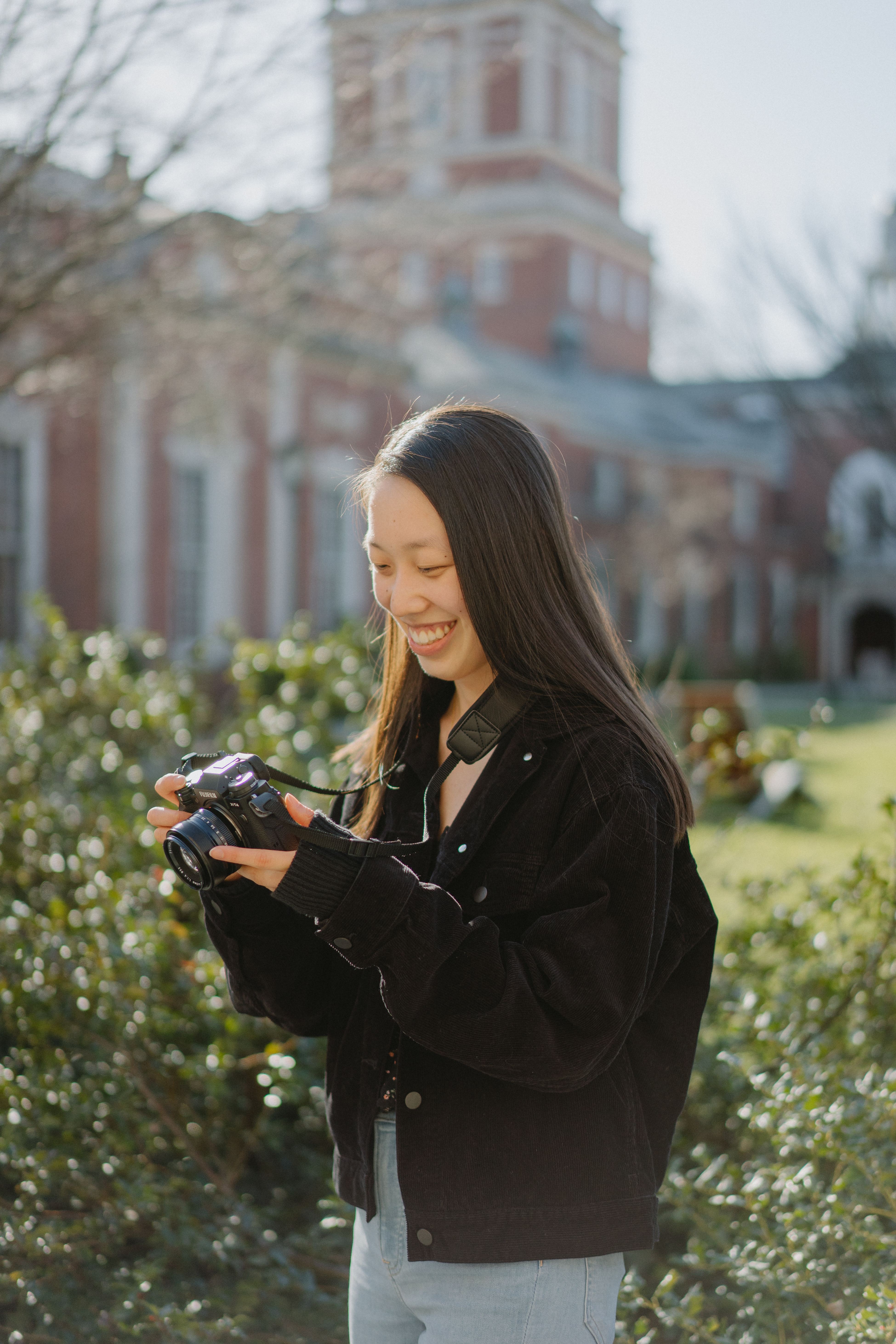
In sixth grade, I picked up a camera. It was the first passion my parents were surprised wasn't a phase. I gravitated toward portraits and live music — toward being in a room with someone doing the thing they loved most. There's an electricity in that. I wanted to celebrate it, to reflect back to people how extraordinary they were, to make something together that honored what made them come alive. That feeling — of co-creation, of being in it together, of finding what gets someone's heart racing and holding it up to the light — became its own obsession.

Anna Zhang with camera

Ten years later, still love this

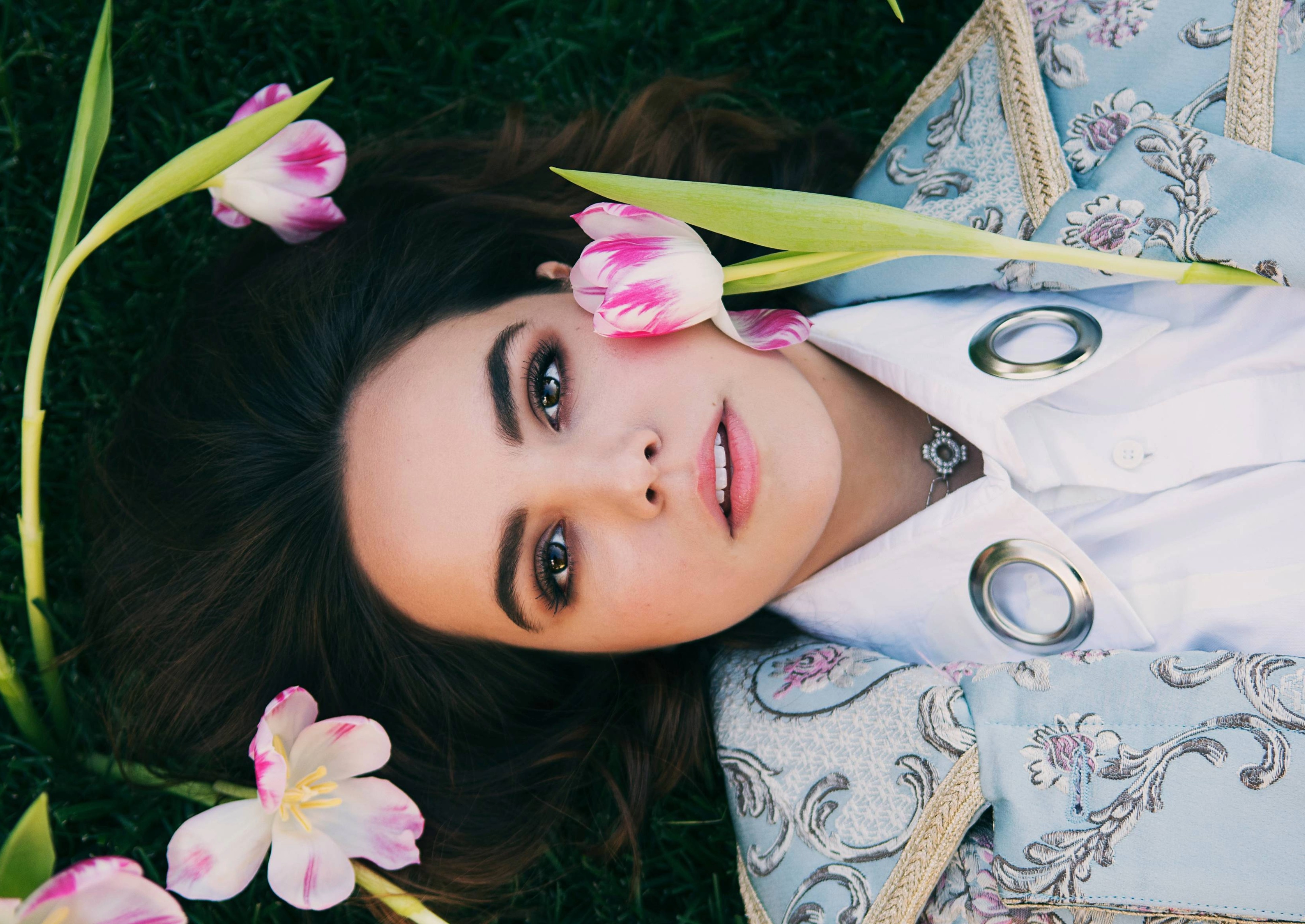
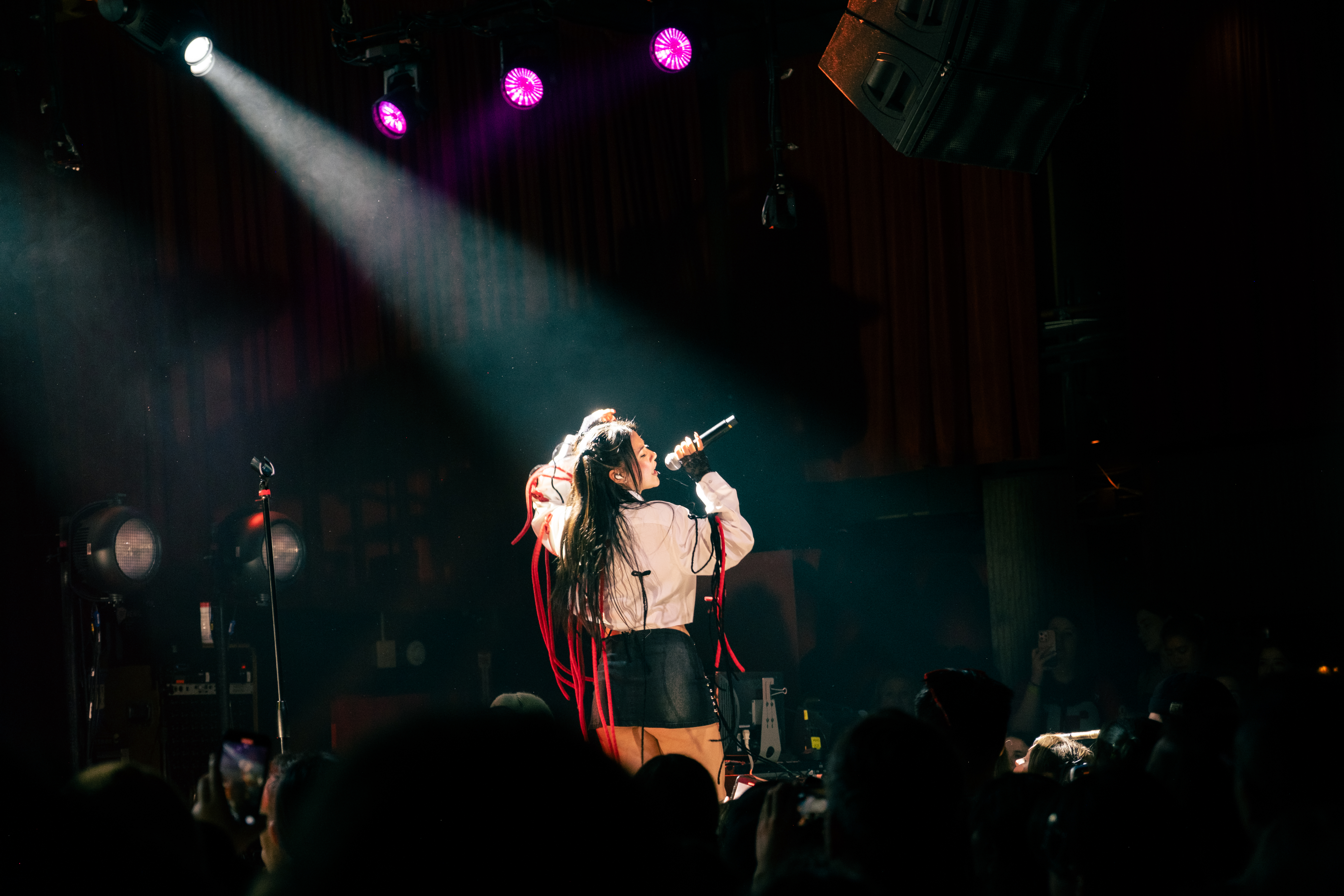
Emei live performance Bailee Madison portrait

Live music & portrait photography
View portfolio → · Instagram →

"What gets your heart racing?"

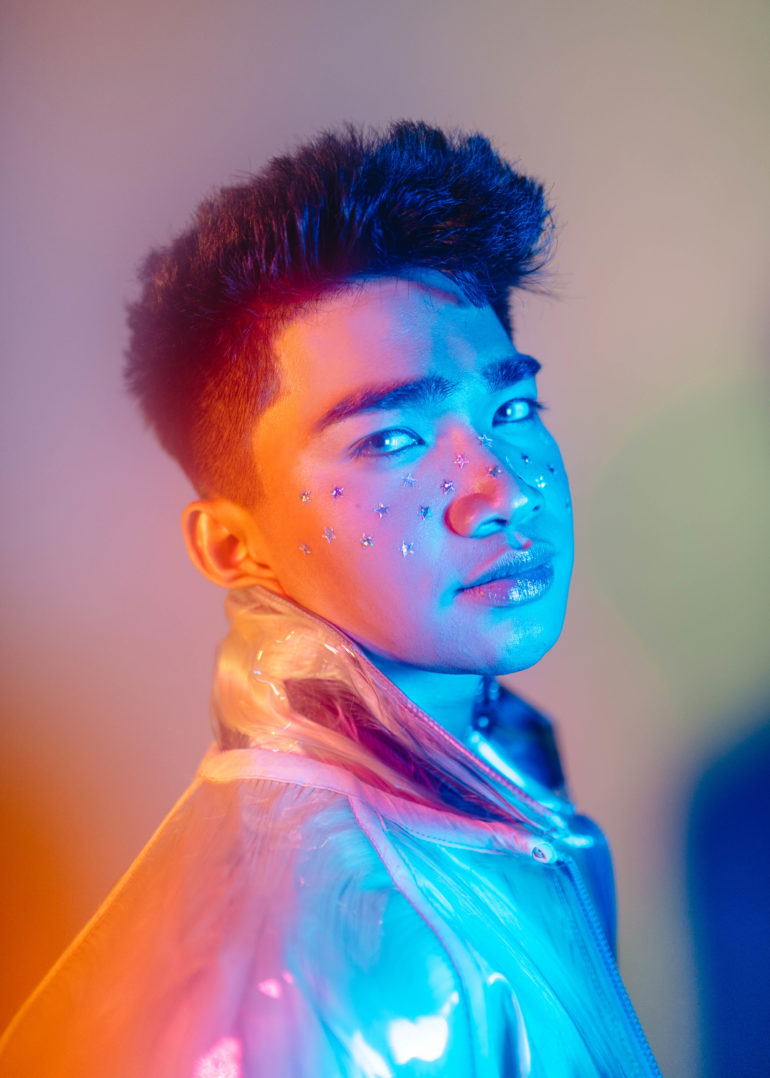
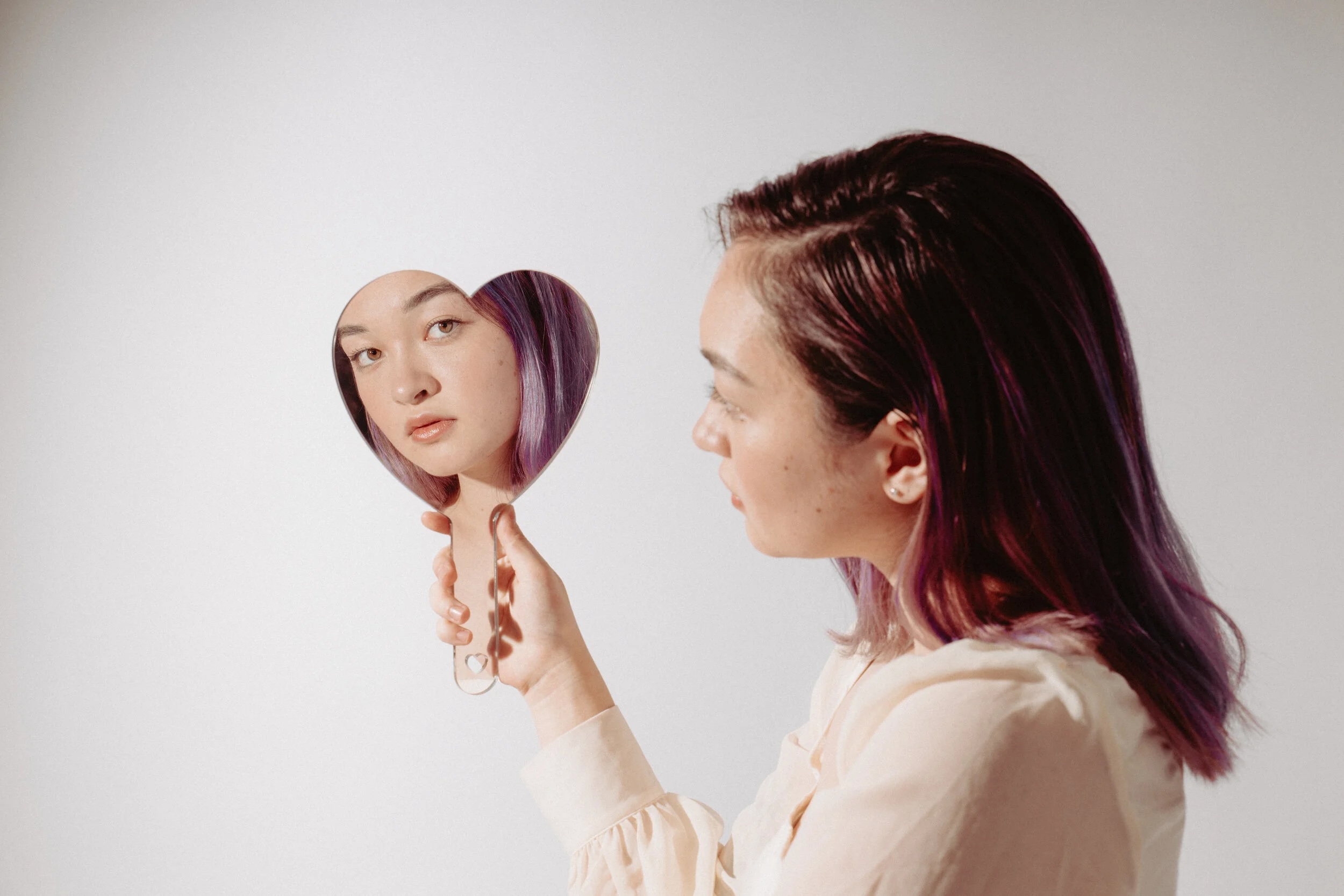
So in eighth grade I launched a publication called Pulse Spikes with the tagline "What gets your heart racing?" As editor and creative director, I built a team and community of creatives around the world — writers, photographers, stylists, makeup artists — to bring people's stories to life together. We spotlighted young creatives doing extraordinary things the mainstream wasn't paying attention to.

Bretman Rock for Pulse Spikes
Lauv for Pulse Spikes
mxmtoon for Pulse Spikes

We ran unretouched series when the industry standard was still heavy retouching; People, Allure, and Marie Claire covered us for it. We put Amanda Gorman on our pages before she read at Biden's inauguration, when she was the youngest person ever named inaugural poet. We identified Lana Condor as someone worth paying attention to before To All the Boys I've Loved Before came out and wrote about Asian representation in media before most outlets thought it was a story worth telling.

That publication — which I ran through high school and college, reaching audiences in over 190 countries with over 15 million social media impressions — was my first attempt to build something that made the world feel more expansive: a reminder that there are so many people doing remarkable things, so many stories worth paying attention to.

I learned to code because I needed the Pulse Spikes website to feel more personal and expressive — and once I could build things, I didn't stop. Being able to close the gap between what you can imagine and what actually exists is its own kind of thrill. I wanted to understand that from every angle: as an engineer who could bring things to life, as a designer thinking through how people move through tools, as a product manager who got to listen to what people actually needed and figure out how to meet them there. Each role orbited the same question:

How do you give people the raw material and the room to bring their own vision to life — to do the parts they love most, and feel the awe of I made this?

At Adobe I worked on the content systems and starter assets behind Adobe Express — the templates, photos, videos, and audio that give someone a place to begin. What I cared most about was ensuring that someone anywhere — a small business owner in Brazil, a student in India — could open the tool and find building blocks that helped their vision take shape.

I also coded a contrast checker for the app — not because it was my job, but because accessibility is the difference between a creator's work reaching their audience or not, and that gap was too important to leave alone.

Contrast Checker for Adobe Express

Contrast checker for Adobe Express
View project →

Throughout my life — in school, professionally, and in every space between — I've kept a creative practice running that comes from the same place. A few years ago I started researching the overlooked scientists, engineers, and mathematicians from marginalized communities whose work shaped the technologies we use every day.
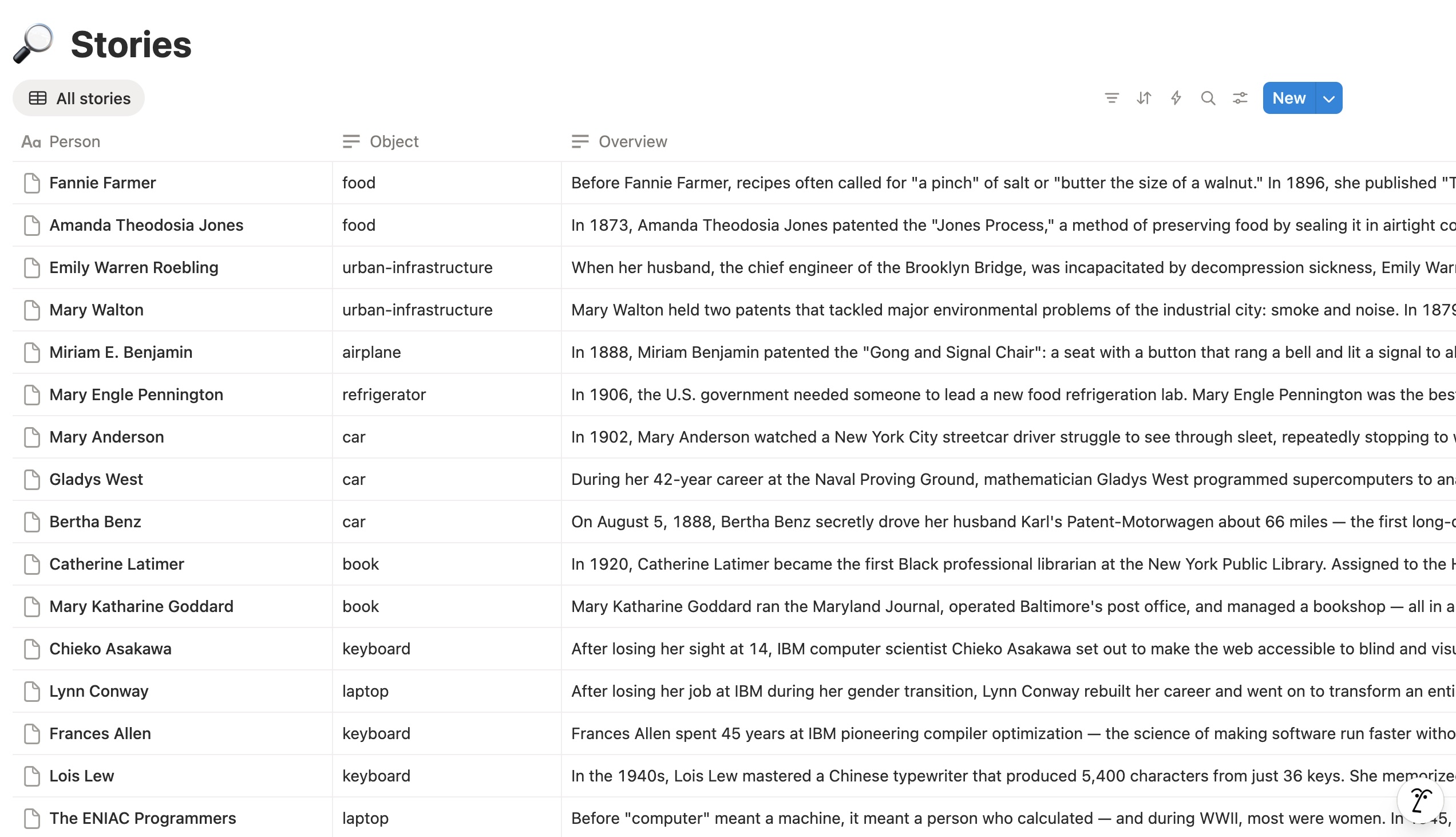
Footnotes research

Researching the stories I wish I had in classrooms growing up for Footnotes

That curiosity grew into Footnotes, an AR experience I recently released a first version of, which uses object detection to surface those hidden histories — connecting objects in the world around you to the people whose contributions made them possible.

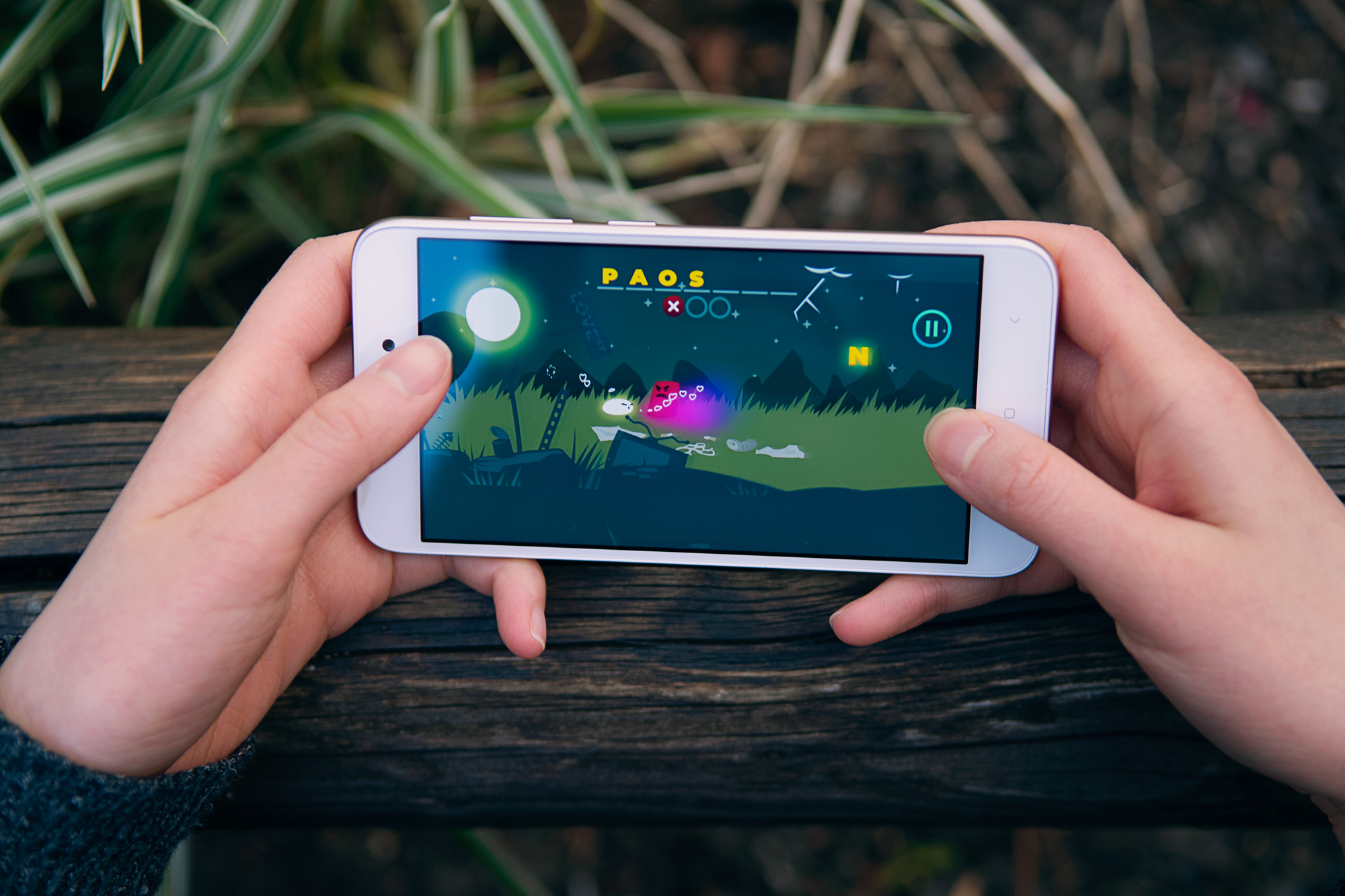
I also ideated and creative directed Brightlove, a coming-of-age game where you play as a blob navigating an overwhelming world — and where the only way forward is to take care of the people around you. It was shown at the National Museum of American History and recognized by Google Play.

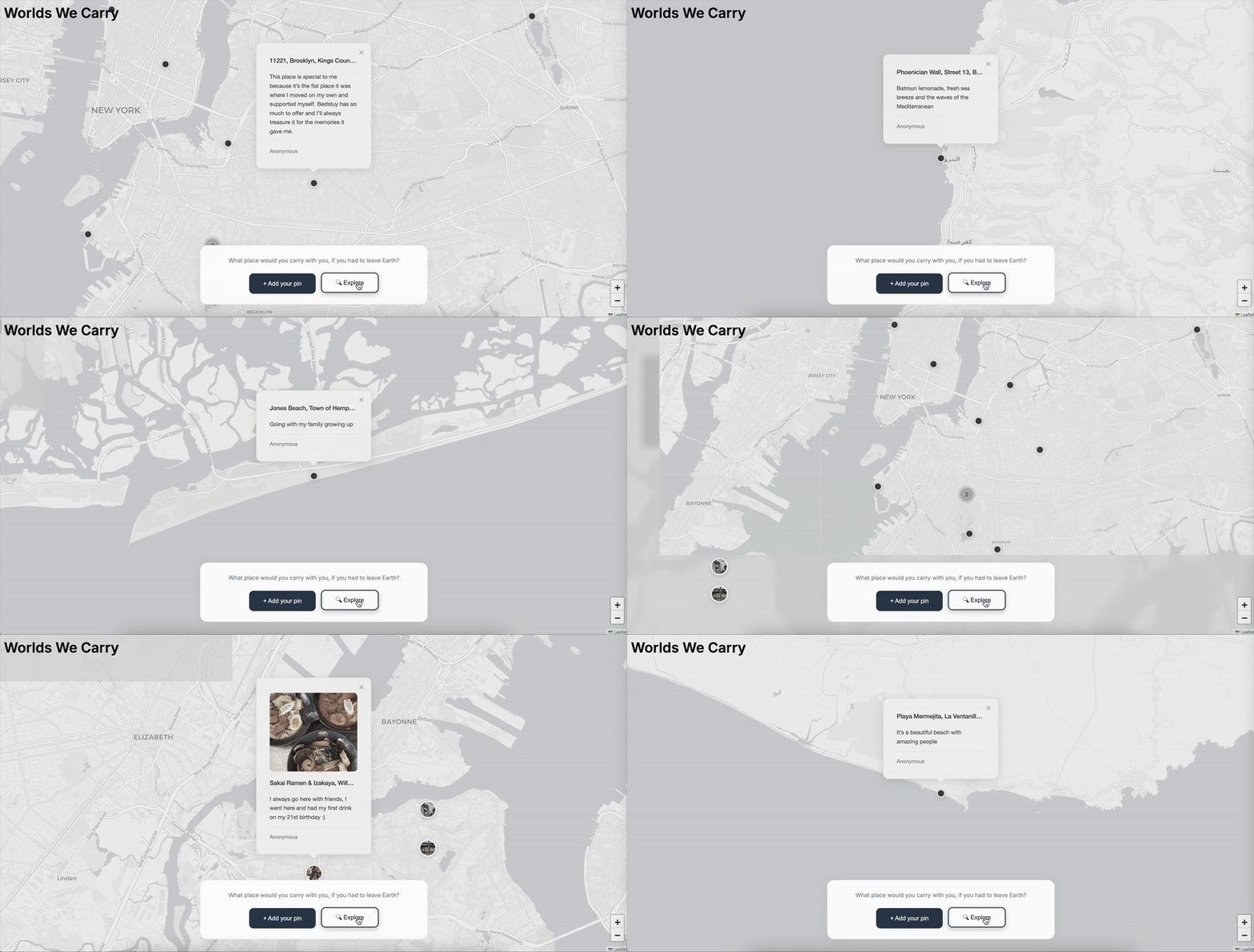
Last fall I created Worlds We Carry, an interactive participatory map inviting people to share places that mattered to them and imagine what they'd want to bring into a shared future; it was part of an installation at the Oculus World Trade Center.

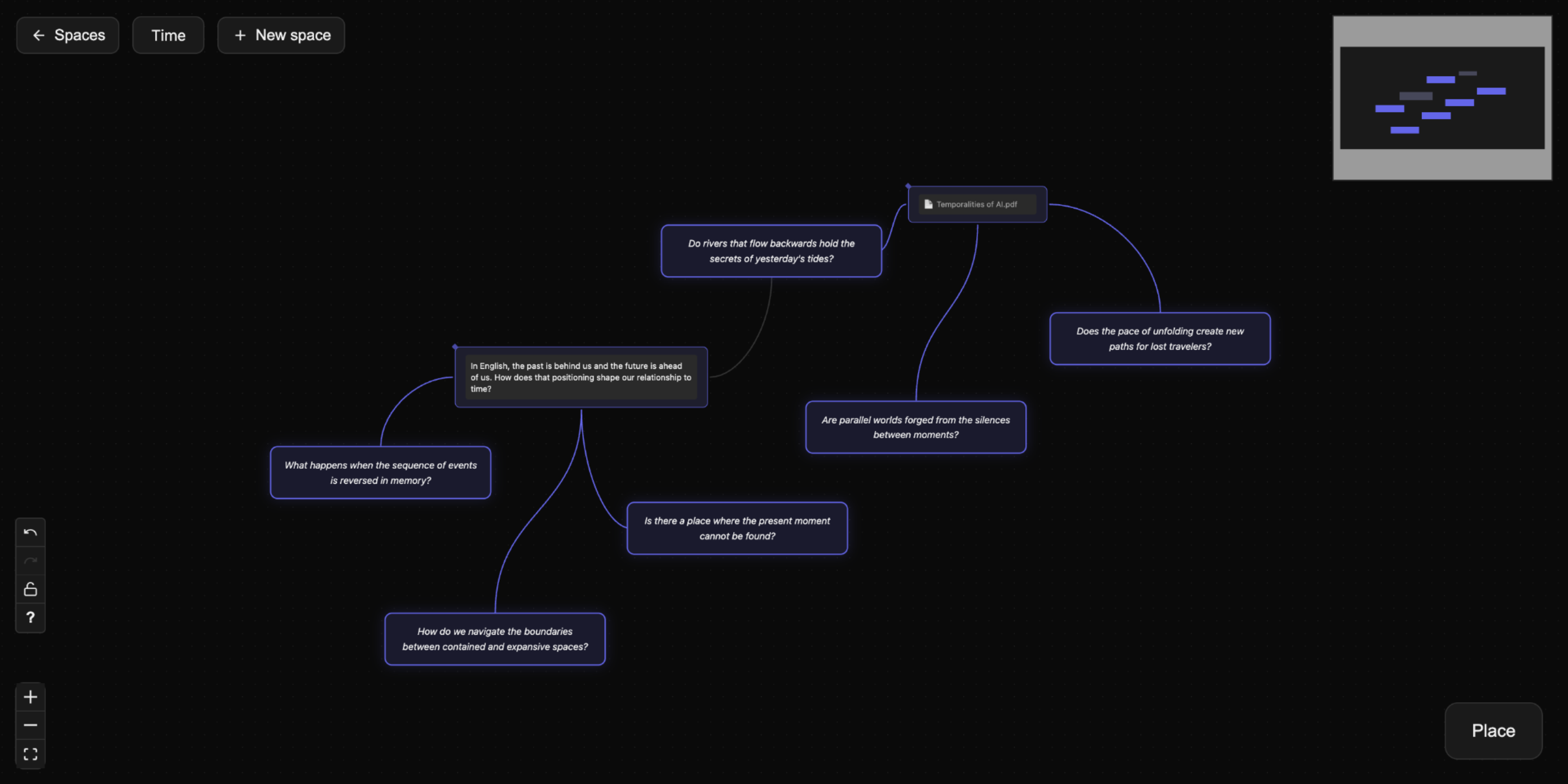
And I've been building Prompted, an AI interface that only asks questions — no answers, no summaries, no conclusions — a small attempt to invert the dominant paradigm and restore the thinking to the person using it rather than replace it.
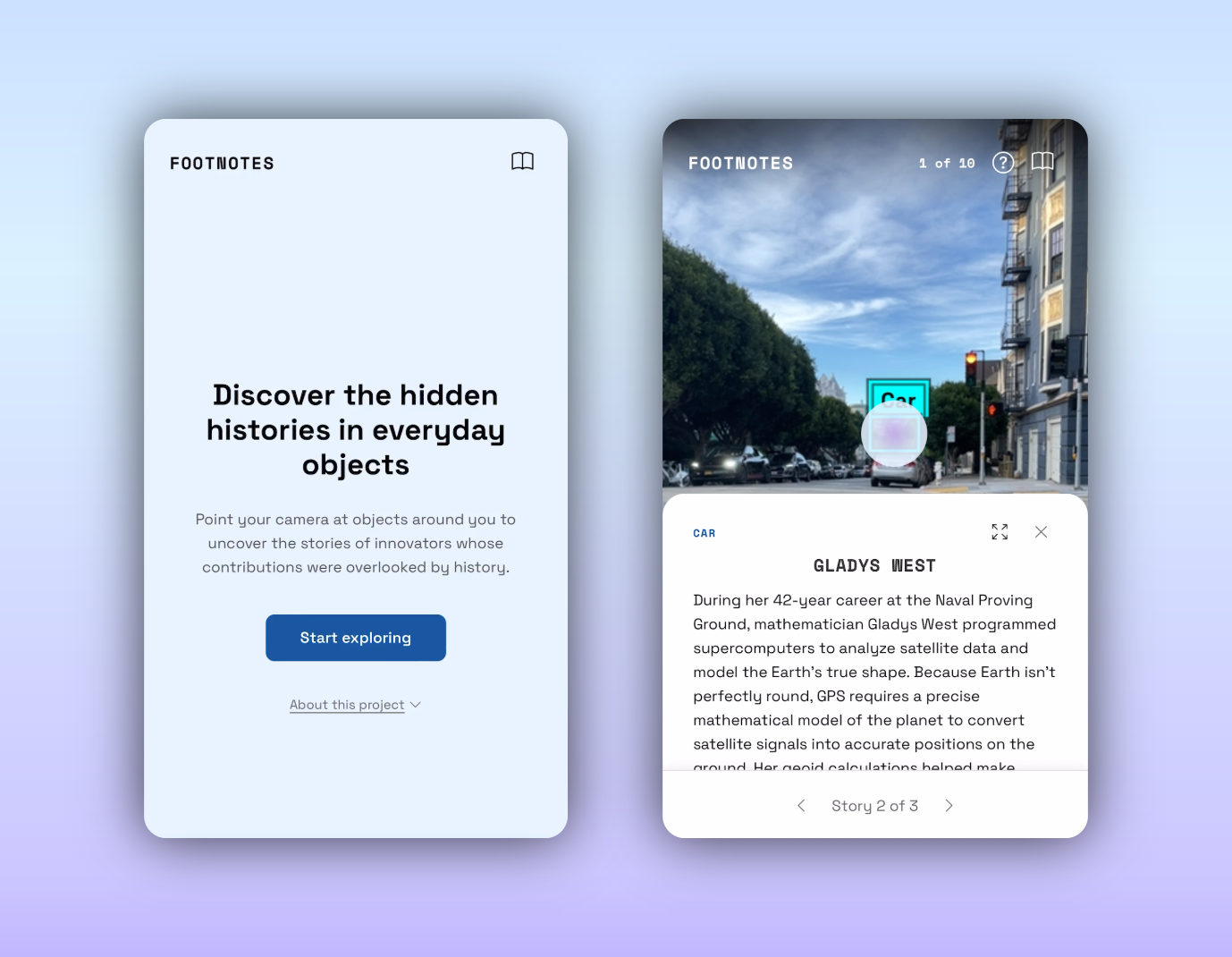
Footnotes

Footnotes

An AR experience using object detection to surface hidden histories — connecting objects to the people whose contributions made them possible.

Try it →
Brightlove

Brightlove

A coming-of-age game where the only way forward is to take care of the people around you. Shown at the National Museum of American History.

Play now →
Worlds We Carry

Worlds We Carry

An interactive participatory map inviting people to share places that mattered to them. Part of an installation at the Oculus.

Explore →
Prompted

Prompted

An AI interface that only asks questions — restoring the thinking to the person using it rather than replacing it.

Coming soon

These projects are all attempts to invite people into a different kind of relationship with technology — not as something delivered to them, fully formed, to accept or reject, but as something to engage with, push back on, and reimagine.

Footnotes asks: whose shoulders are we standing on — and how much bigger does the story get when we look?
Brightlove asks: what would it look like to design systems around care?
Worlds We Carry asks: what do you want to carry into the future we're building together?
Prompted asks: what if a tool could stretch your thinking rather than short-circuit it?

Each one is less a statement than an opening — a way in to a conversation about the world we're building and who gets to shape it.
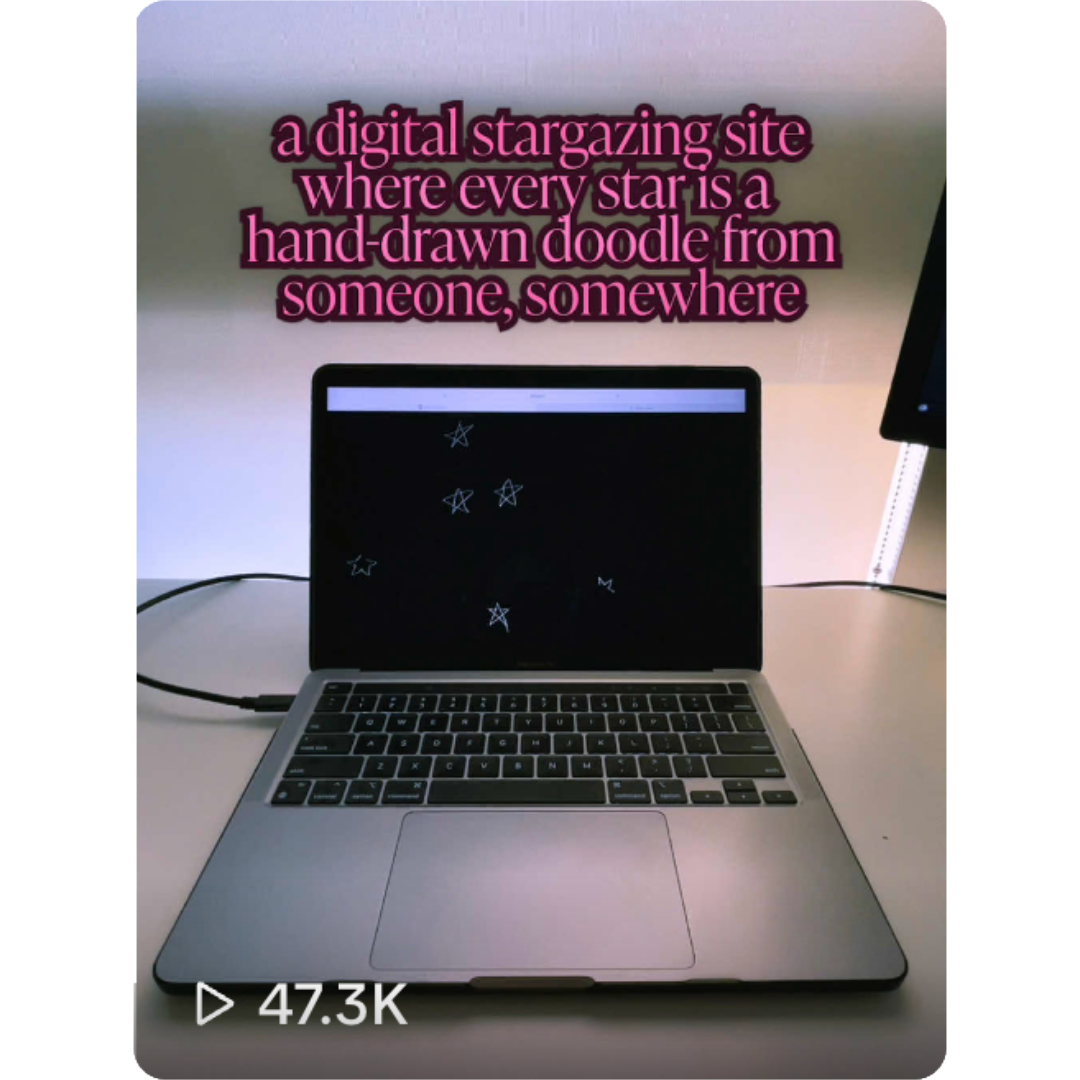
Sharing personal experiments